Moroccan Zellige Craftsmanship

How it's made & Installed

A timeless process passed down through generations, preserving the soul of Moroccan heritage in every tile.
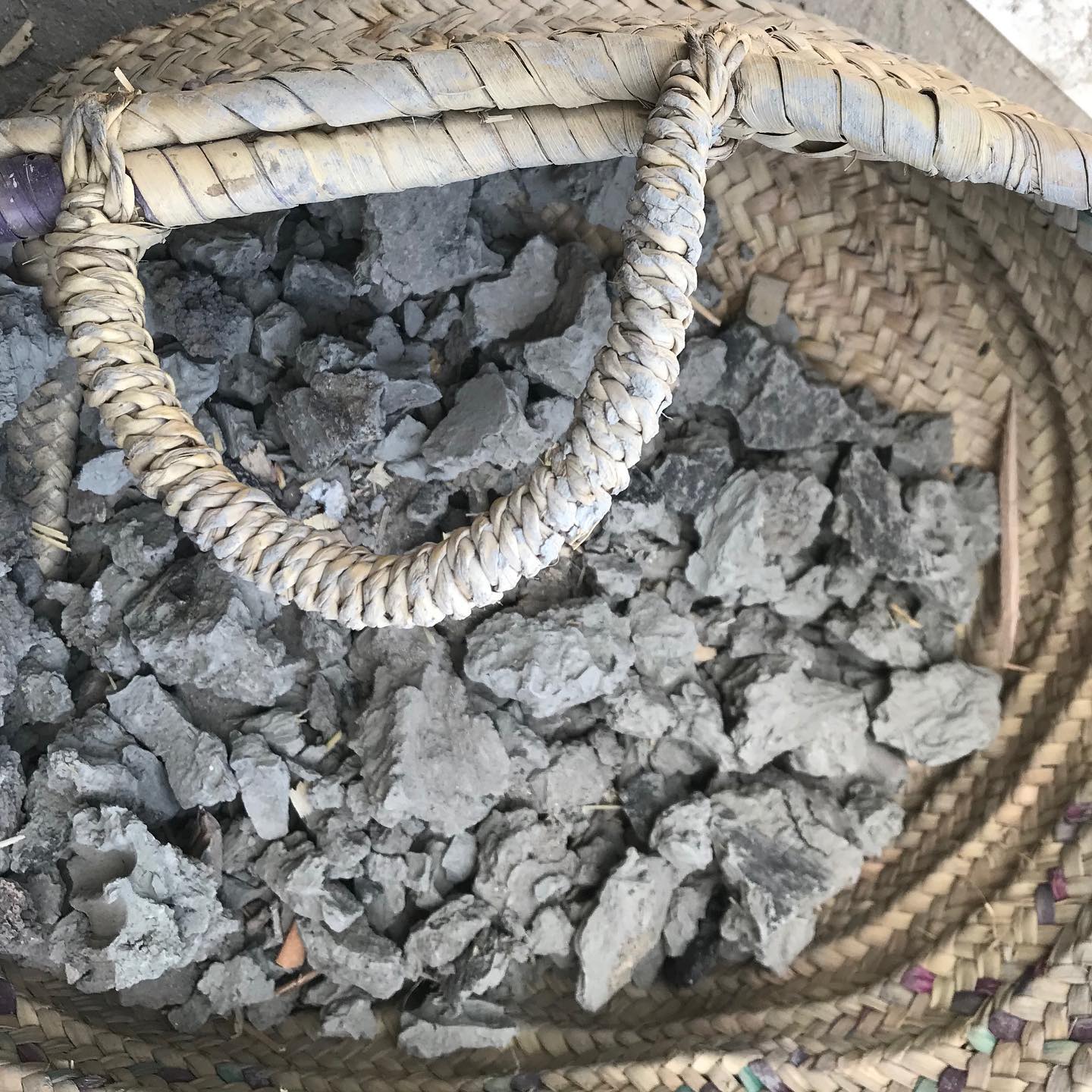
Sourcing the Raw Earth
01

Sourcing the Raw Earth

Natural clay is hand-selected and carefully cleaned of stones and organic debris to ensure purity and quality before the crafting process begins.

Wedging the Clay Mixture
02

Wedging the Clay Mixture

Water is blended into the clay, which is then kneaded thoroughly by hand or foot until it reaches a silky, uniform consistency free of air pockets that could later cause cracking.

Forming the Raw Slabs
03

Forming the Raw Slabs

Artisans spread the prepared clay into flat slabs about one to two centimeters thick, then cut them into rough square or rectangular forms once they have firmed up.

Sun-Drying the Cut Forms
04

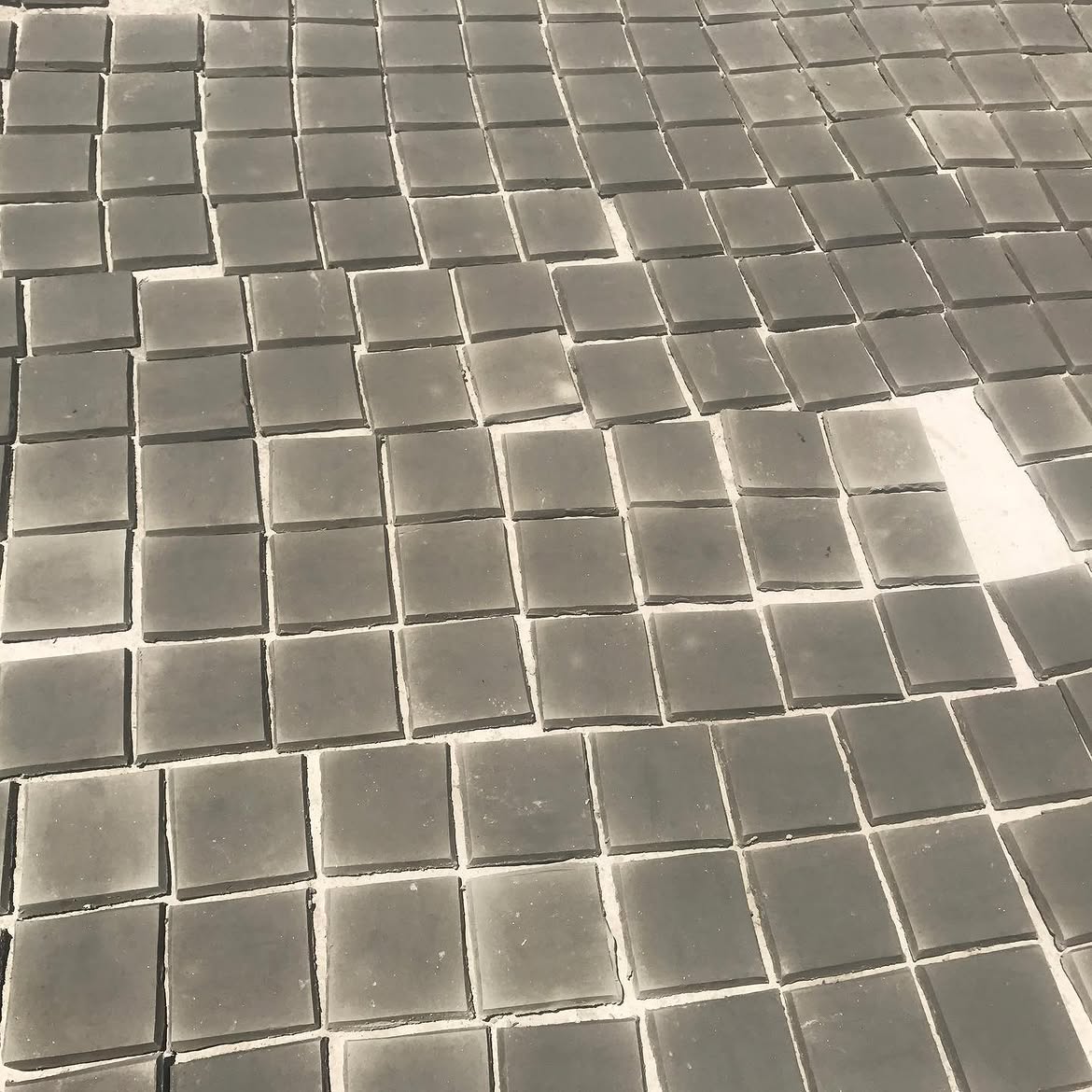
Sun-Drying the Cut Forms

The shaped pieces rest under open skies for several days, allowing moisture to evaporate naturally. Each tile is checked regularly to correct any warping or surface flaws.

First Kiln Firing
05

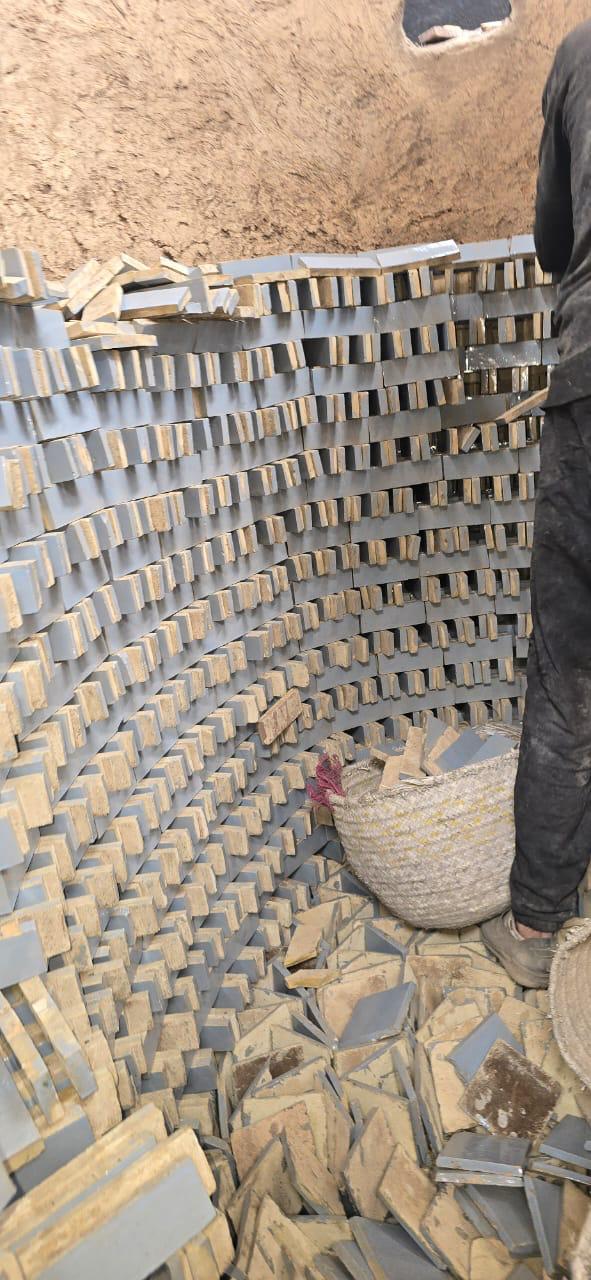
First Kiln Firing

The dried tiles are loaded into a kiln and heated to around 900–1000°C. This initial firing, called biscuit firing, turns the fragile clay into a hard, porous ceramic body ready to receive glaze.

Hand-Applying the Glaze
06

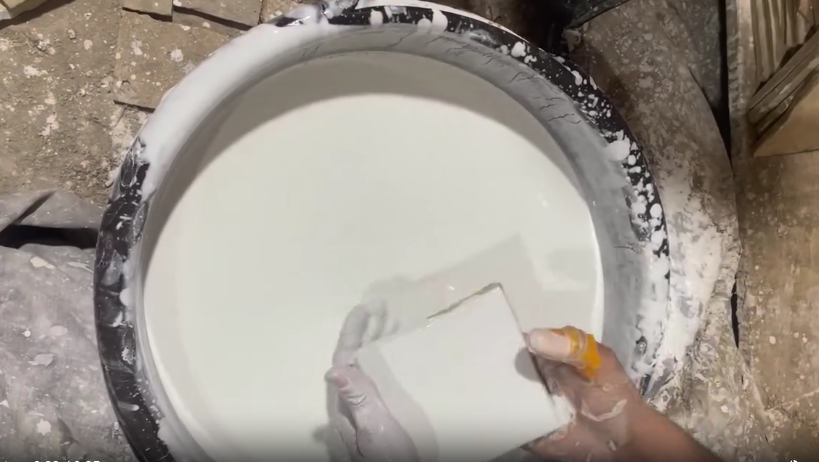
Hand-Applying the Glaze

A liquid mixture of mineral pigments is carefully painted onto each biscuit-fired tile. This hand-glazing step gives the zellige its brilliant signature colors.

Second Kiln Firing
07

Second Kiln Firing

The glazed tiles return to the kiln at a slightly lower temperature (800–900°C). The heat fuses the glaze into a glossy, waterproof layer, deepening and enriching the colors.

Chiseling the Shapes
08

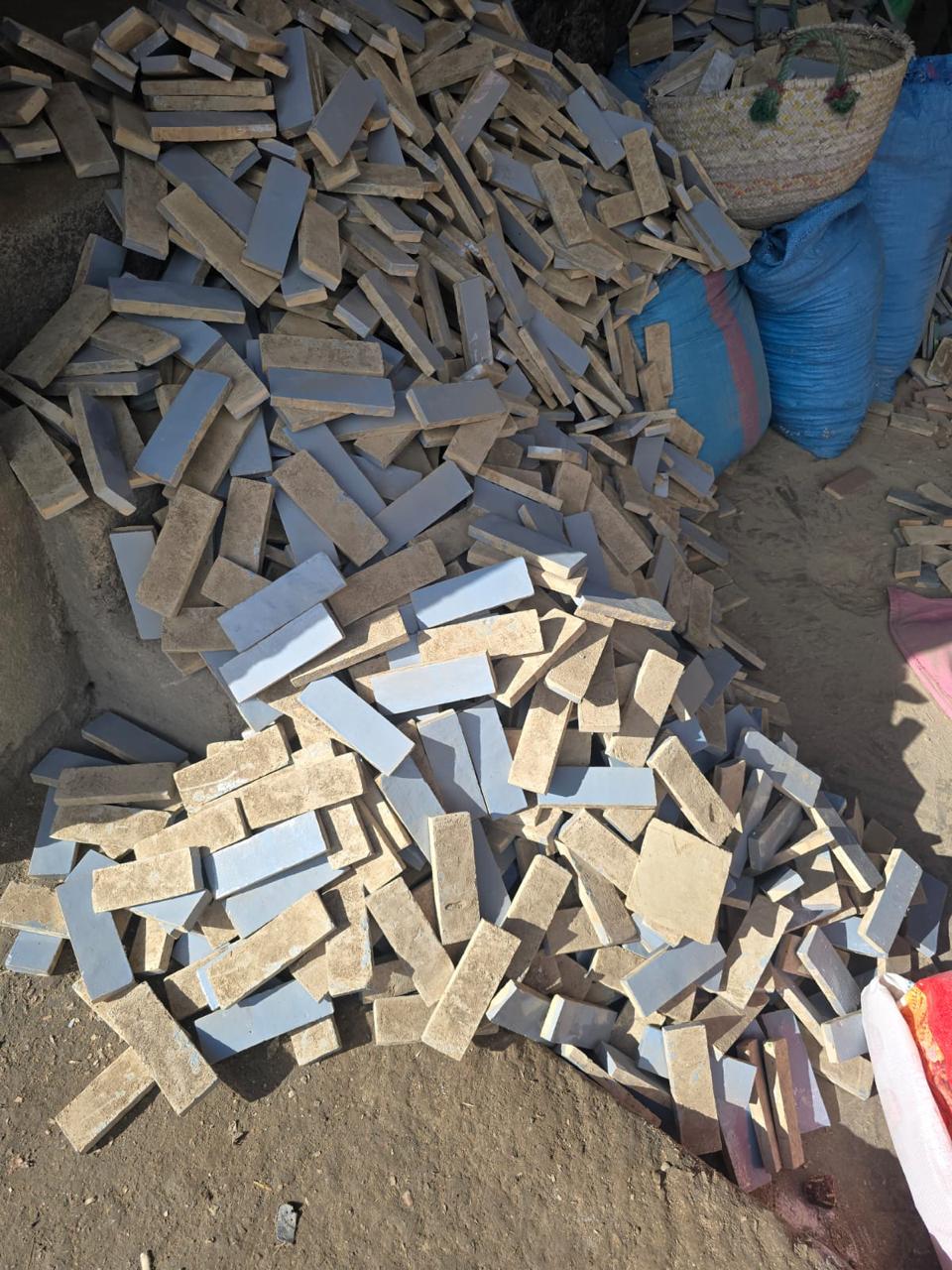
Chiseling the Shapes

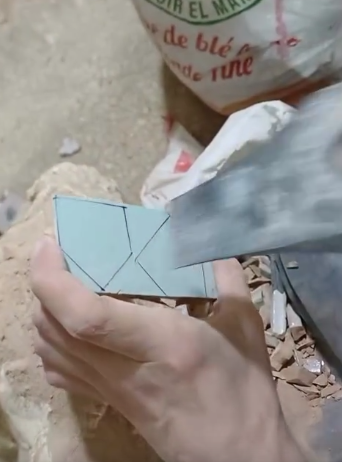
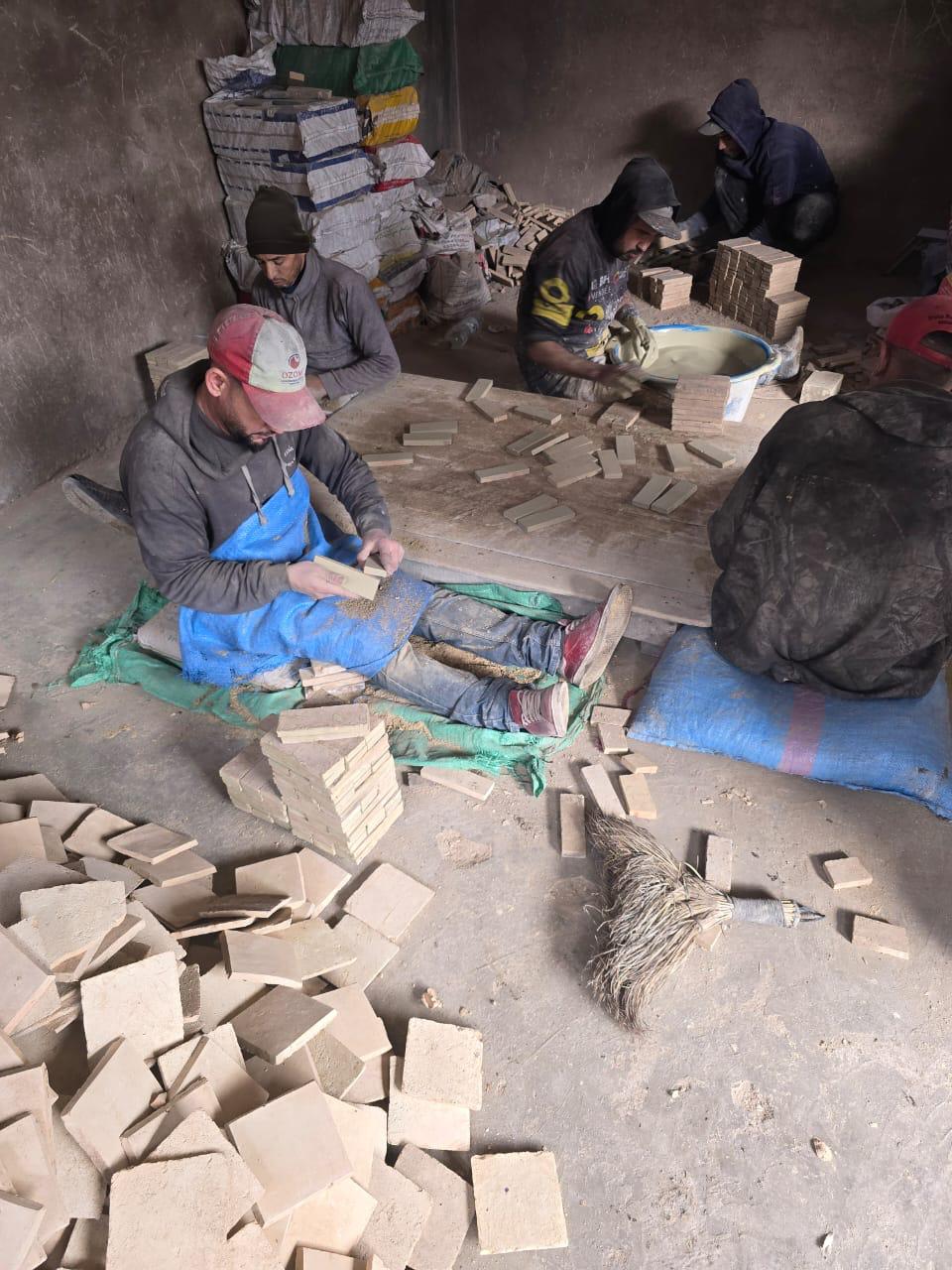
Master artisans use a hammer and a sharp chisel to cut the glazed tiles into precise geometric forms — stars, diamonds, triangles — that will compose the final mosaic.

Mosaic Assembly
09

Mosaic Assembly

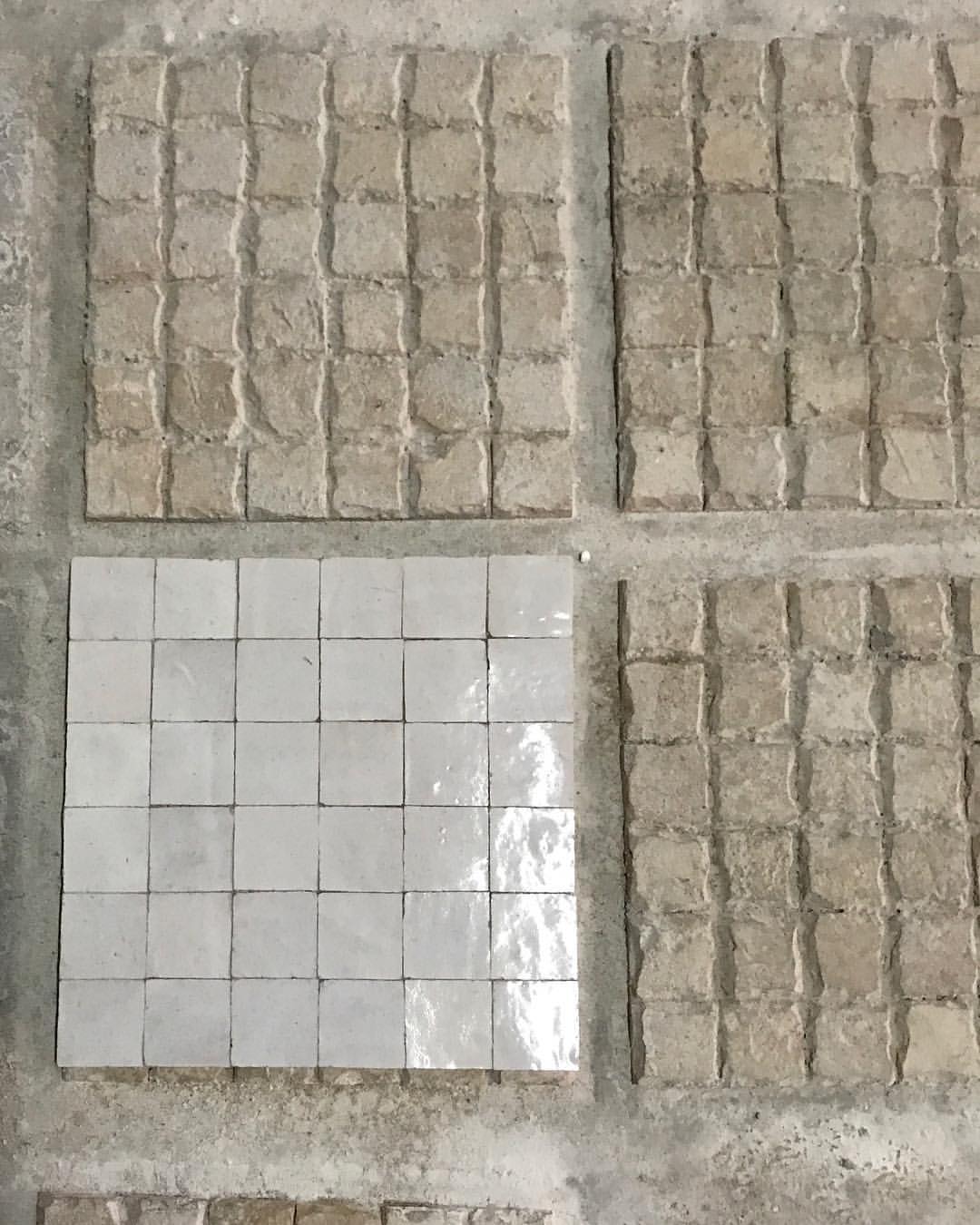
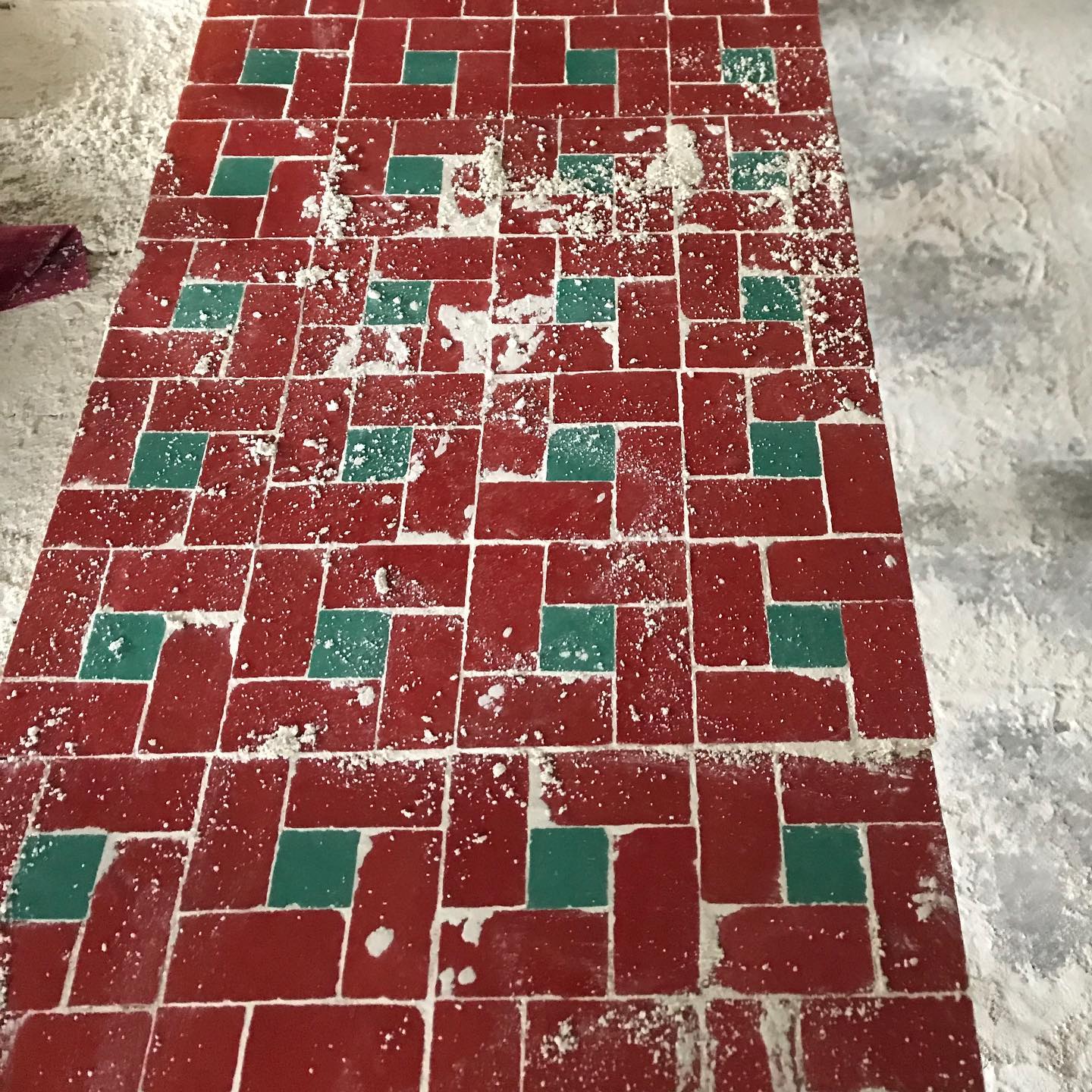
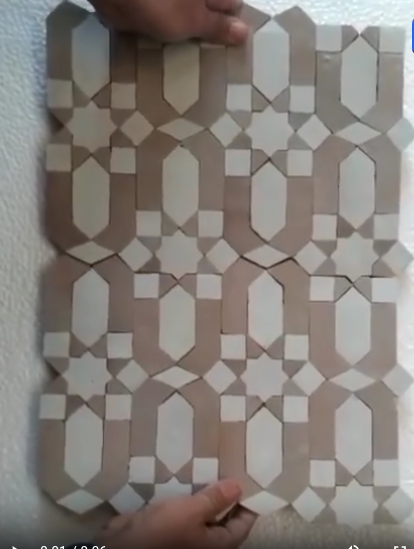
The cut pieces are laid out face-down following a predetermined pattern. Each shape locks into its neighbors with remarkable precision. A cement backing is then poured over the arrangement to bind everything solidly.

Polishing & Refining
010

Polishing & Refining

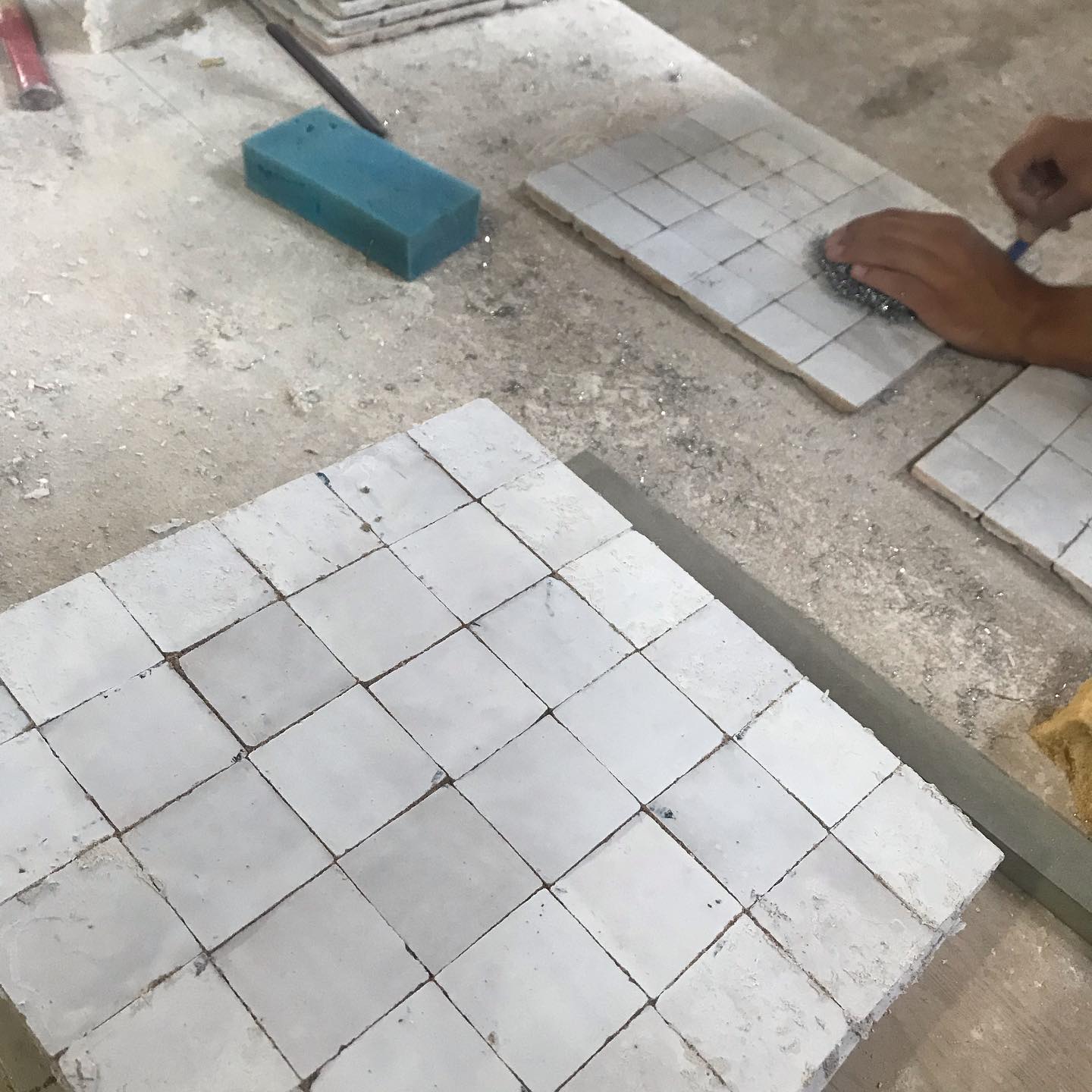
Once the cement has set, the mosaic is polished to smooth any rough edges and reveal the glossy depth of the glazed surface, producing a finished panel of radiant geometric art.

Installing the Masterpiece
011

Installing the Masterpiece

Zellige mosaics are set into floors, walls, fountains, and architectural features, bringing handcrafted artistry into both traditional and contemporary spaces.

Watch the Process

See the hands of the masters at work.

How Zellige is Made
Chat with us